
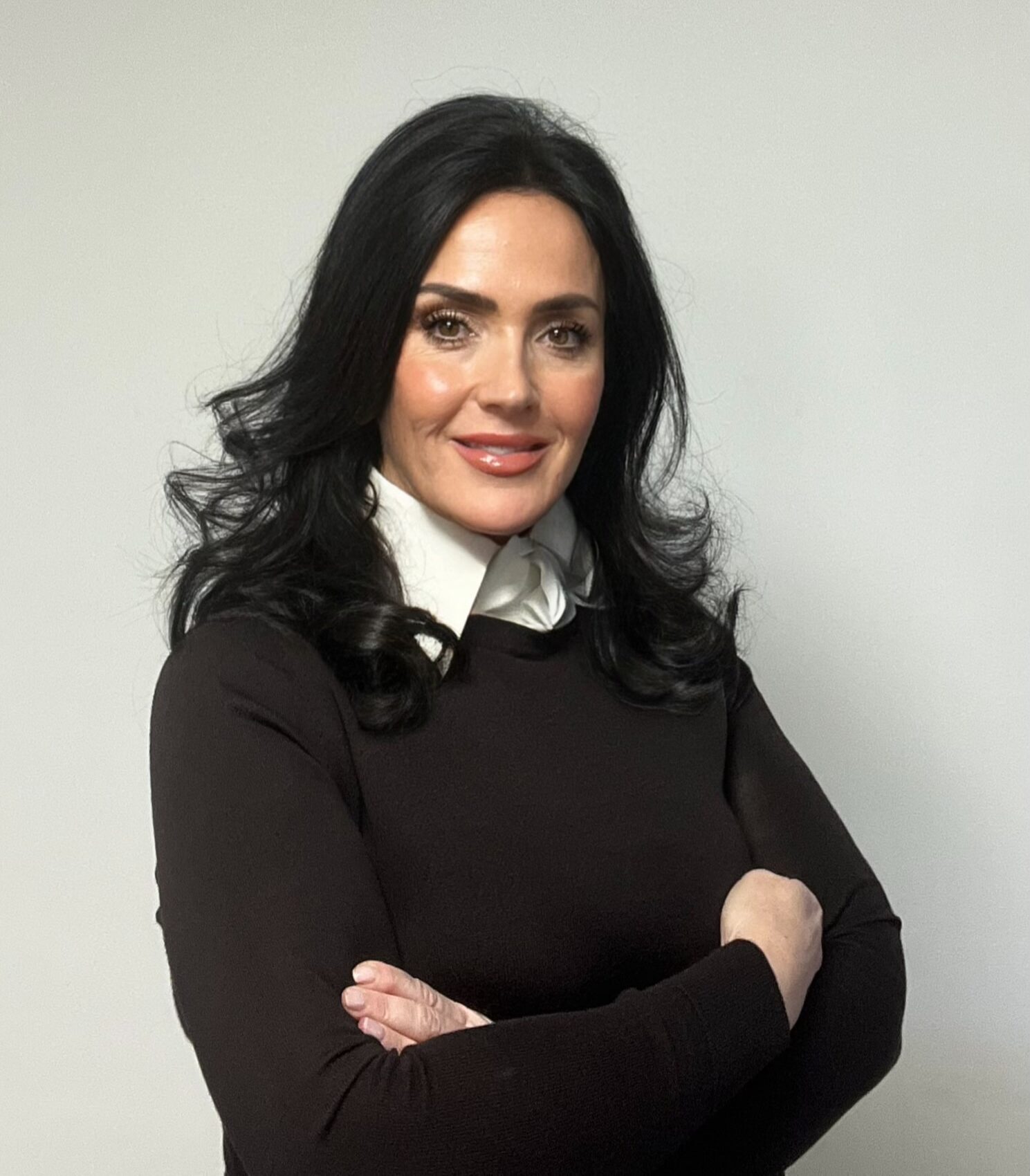
Carla Vacca
Carla Vacca jest dyrektorem zarządzającym w Szkocji oraz globalnym szefem projektów i OOG w firmie EV Cargo Global Forwarding, która odpowiada za złożone, wartościowe rozwiązania logistyczne w sektorach energetycznym, infrastrukturalnym i obronnym na całym świecie.
Carla Vacca jest dyrektorem zarządzającym w Szkocji oraz globalnym szefem projektów i OOG w firmie EV Cargo Global Forwarding, która odpowiada za złożone, wartościowe rozwiązania logistyczne w sektorach energetycznym, infrastrukturalnym i obronnym na całym świecie.
Z mojego doświadczenia wynika, że logistyka ponadgabarytowa (OOG) potrafi stanowić wyzwanie nawet dla najbardziej doświadczonych zespołów – na każdym kroku ujawnia złożoność i wymaga precyzji na każdym etapie.
Pracując w tej branży od wielu lat, nauczyłem się, że logistyka OOG to nie tylko przewóz ładunków ponadgabarytowych – to zarządzanie złożonością. Każdy projekt wymaga skrupulatnego planowania technicznego, ścisłej zgodności z przepisami i płynnej koordynacji między różnymi rodzajami transportu, bez szablonów i z minimalnym marginesem błędu.
Za każdą przesyłką kryje się coś kluczowego – turbina przeznaczona do morskiej instalacji energetycznej, element niezbędny dla elektrowni jądrowej lub sprzęt wspierający operacje obronne. Charakter ładunku podkreśla wagę podejmowania właściwych decyzji.
Gdzie złożoność staje się krytyczna
Ładunki ponadgabarytowe (OOG) i ładunki projektowe znajdują się na skrzyżowaniu łańcucha dostaw, łącząc transport lotniczy, morski, drogowy, kolejowy i barkowy w jedno, zintegrowane rozwiązanie. To nie są przesyłki, lecz projekty logistyczne. Od wstępnej analizy wykonalności do ostatecznej dostawy, każdy etap wymaga szczegółowych analiz trasy, doboru specjalistycznego sprzętu, oceny infrastruktury i rygorystycznej zgodności z przepisami. Często niedoceniany jest stopień współzależności między tymi elementami – niewielkie zmiany w jednym obszarze mogą fundamentalnie zmienić strategię realizacji.
Zmiana dostępności statków może na przykład wywołać lawinę zmian w harmonogramach przewozów, zmian w pozwoleniach i ponownej koordynacji z władzami portowymi w wielu jurysdykcjach. W tym środowisku złożoność nie jest liniowa, lecz dynamiczna. Kontrola definiuje sukces.
Kontrola w niepewnym środowisku
Planowanie jest fundamentalne – ale samo w sobie nie wystarczy. Zawirowania geopolityczne, przeciążenie portów, niedobory sprzętu i zmieniające się harmonogramy przewoźników nie są już wyjątkami; są częścią środowiska operacyjnego. Zbyt często jednak projekty wciąż opierają się na statycznych założeniach, pomimo warunków dalekich od stabilności. To właśnie ten brak stabilności jest źródłem ryzyka.
Tym, co wyróżnia zespół, nie jest brak zakłóceń, lecz umiejętność skutecznego zarządzania nimi. W praktyce najbardziej doświadczone zespoły planują z uwzględnieniem zmienności, zapewniając elastyczność w wyznaczaniu tras, sekwencjonowaniu i realizacji. Gdy warunki się zmieniają – a to nieuniknione – projekt pozostaje pod kontrolą. Najbardziej doświadczone zespoły nie tylko reagują na zakłócenia, ale rozpoznają wczesne oznaki ryzyka i działają, zanim problemy się w pełni zmaterializują. To właśnie tutaj osąd staje się równie ważny, co proces.
Dlaczego doświadczenie jest prawdziwym czynnikiem różnicującym
Doświadczenie w logistyce OOG nie jest mierzone stażem, ale doświadczeniem w realizacji złożonych, wielosektorowych i międzynarodowych projektów. Wymaga ono dalekowzroczności, osądu technicznego i ugruntowanych relacji z przewoźnikami, portami i partnerami specjalistycznymi.
Na ograniczonych rynkach dostęp do odpowiedniego sprzętu i przepustowości często opiera się na relacjach, a nie na transakcjach. W praktyce często decyduje to o tym, czy rozwiązania pozostaną wykonalne pod presją. Ma to bezpośredni wpływ na rezultaty – skuteczniejsze decyzje dotyczące tras, szybszą eskalację w przypadku wystąpienia problemów oraz lepszą koordynację między ruchami multimodalnymi. Co ważniejsze, wzmacnia zaufanie.
Klienci nie tylko przewożą ładunki – powierzają im również cenne aktywa o kluczowym znaczeniu dla przedsiębiorstwa, a opóźnienia lub awarie niosą za sobą szersze konsekwencje operacyjne i finansowe.
Gdzie to jest najważniejsze
Sektory obsługiwane przez logistykę OOG nie tolerują awarii. W energetyce morskiej opóźnienie w dostawie elementu turbiny może wpłynąć na cały program instalacji, co ma istotne konsekwencje komercyjne.
W sektorze jądrowym wymogi regulacyjne i obsługowe wymagają szczegółowego planowania i absolutnej precyzji. W sektorze obronnym protokoły bezpieczeństwa i terminy dostaw nie podlegają negocjacjom. Wspieraliśmy duże inwestycje w energetykę morską, obejmujące skoordynowany transport setek ciężkich i ponadgabarytowych jednostek w wielu lokalizacjach na całym świecie.
Projekty tego typu nie odnoszą sukcesu przez przypadek, opierają się na zintegrowanym planowaniu, zdyscyplinowanej realizacji i jasnym zrozumieniu stawki. W każdym sektorze zasady pozostają niezmienne: precyzja, planowanie i partnerstwo.
Integracja jako strategia ryzyka
Najskuteczniejsze rozwiązania OOG opierają się na integracji – łączeniu ludzi, procesów i realizacji w jedno, skoordynowane podejście. Rozdrobniona realizacja projektu, w której wiele stron działa w izolacji, wprowadza ryzyko w każdym momencie przekazania. Brak koordynacji, opóźnienia w komunikacji i luki w odpowiedzialności pozostają częstymi punktami awarii w złożonej logistyce. Trudna prawda jest taka: w złożonej logistyce projektów porażka rzadko wynika z pojedynczego problemu; prawie zawsze jest wynikiem braku koordynacji między wieloma interesariuszami.
Zarządzanie kompleksowe to nie tylko model usługowy; to strategia ograniczania ryzyka. Kompleksowe zarządzanie projektami – od analizy wykonalności i projektowania, aż po finalne oddanie projektu – zapewnia większą kontrolę, jaśniejszą odpowiedzialność i lepszą przejrzystość. Ryzyko jest identyfikowane wcześniej, decyzje podejmowane są sprawniej, a realizacja pozostaje spójna.
Branża ewoluująca w kierunku złożoności
Zapotrzebowanie na specjalistyczną wiedzę z zakresu OOG stale rośnie, napędzane przez infrastrukturę na dużą skalę, transformację energetyczną i postęp w produkcji. Morska energetyka wiatrowa, wodór, infrastruktura sieciowa i programy obronne wprowadzają profile ładunków, które są bardziej złożone, bardziej uregulowane i mniej odporne na awarie niż kiedykolwiek wcześniej. Nie chodzi tu tylko o większe przesyłki – są one bardziej wymagające pod względem technicznym. Jednocześnie łańcuchy dostaw stają się mniej przewidywalne. Narzędzia cyfrowe poprawiają przejrzystość i koordynację, ale nie eliminują złożoności. Wspierają podejmowanie decyzji, ale nie zastępują doświadczenia ani osądu.
Podsumowanie
Logistyka ponadgabarytowa nie jest definiowana przez wielkość ładunku, ale przez złożoność wyzwania. Skuteczna dostawa wymaga czegoś więcej niż tylko możliwości – wymaga doświadczenia, integracji i umiejętności utrzymania kontroli w środowisku, w którym panuje ciągła niepewność. W tej przestrzeni każdy projekt ma znaczenie. Precyzyjnie i fachowo realizowana logistyka ponadgabarytowa nie tylko przewozi ładunki – umożliwia postęp.
Skontaktuj się z nami
Jeśli planujesz złożony lub niestandardowy projekt, chętnie podzielę się z Tobą swoją wiedzą i omówię spersonalizowane, kompleksowe podejście.